


Justin McCarthy is the founder and CEO of Diffusion. Previously, he co-founded StrongDM and served as CTO, where he built its Software Factory and spent a decade delivering cybersecurity infrastructure for demanding enterprises. Having built at the edge of every major technology wave since the first web browsers, he is now defining the frontier of agentic AI through Software Factories built for high-consequence settings.
05 / Speaking
Book the leading voice in software factory implementation.
Justin McCarthy takes the frontier patterns behind reliable AI software work to stages, studios, and panels — for leaders moving from agent demos to systems their institutions can trust.
Founder, Diffusion · former Co-Founder & CTO, StrongDM
Invite Justin to Speak Speed 1.00×
Intensity 5
Waves 3
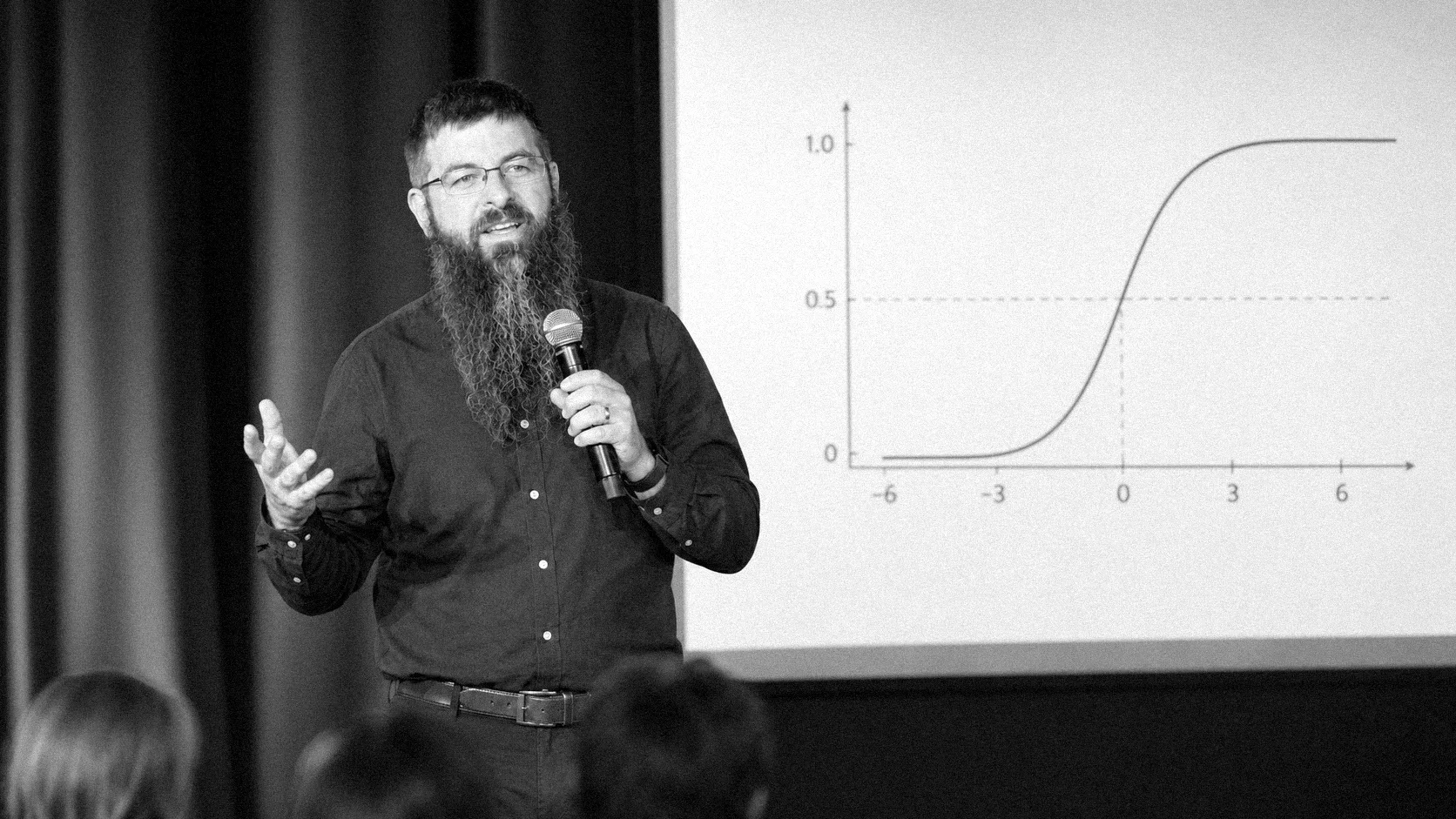
Starting is solved. Finishing is the whole job.
AI can start almost anything now — a demo, a migration, a first draft. The frontier is the last mile: intent that survives translation, acceptance tests the model can't argue with, permissions that hold at runtime, and teams that supervise more agents without drowning in attention debt. Closing that last mile — into systems institutions can trust — is where the real work now lives.
Diffusion turns the patterns advanced AI builders are discovering into an operating model for complex organizations: attractor pipelines that return to a known-good state, critic and validator apps that act as law, digital twins for unsafe failure rehearsal, and decision-theater tools that give stakeholders a concrete future to react to.
Leave with a map of the last mile
Where demos stall, what finishing actually costs, and how to tell whether a pipeline is stabilizing or just producing motion.
Last mile map routing
The route
One valid pathway to a trusted system — and five dead ends. Drag the map; hover any node.
A pattern set: critics, twins, attractors
Concrete patterns for validation, rehearsal, permissions, and runtime control — explained for builders and decision-makers in the same room.
The loop
Six parts, one loop. Failed work never ships — the attractor pulls it back to the last known-good state.
An org model: attention as infrastructure
Why attention is the scarce resource — how many agents one person, team, or institution can responsibly supervise.
Attention load map stable
Agents
Autonomy
Blast radius
5 agents · assisted · low blast radius
Clear ownership, low exception load.
Signature talks
Five understandings,
shaped to the room.
Each runs as a keynote, a panel seat, or a long-form conversation. Titles are starting points — the argument gets tuned to your room.
- T-01 Keynote · Podcast
The Software Factory
Starting is solved, but finishing is a moving target. Understand what it takes to carry AI-generated engineering to production-grade reliability. This means workflows and pipelines built around verifiability, veracity, and observability.
- T-02 Keynote · Workshop
Decision Theater
Most stakeholders are better editors than authors. In this workshop, we build cheap, disposable software in realtime to demonstrate concrete futures people can react to, so the organization can extract intent before it commits.
- T-03 Panel · Podcast
Critics, Twins & Runtime Law
Agentic software governance as first-class design: we explore how digital twins act as validation enforcement, rehearsing and obviating failures you can't trigger live.
- T-04 Keynote · Fireside
When the Rules Invert
Yesterday's engineering truths are today's engineering albatross: Rewrite from scratch. Spend as much on tools as on the product. Re-platform on a whim. Why the economics flipped — and which hard-won instincts to unlearn.
- T-05 Keynote · Workshop
The Organization After Agents
Taste, attention, and span of control are the true bottlenecks in your team: understand how many agents one person can realistically supervise, where hierarchy helps, and what careers become when people run sections of agents.
Formats
In person or remote.
Room-sized to hall-sized.
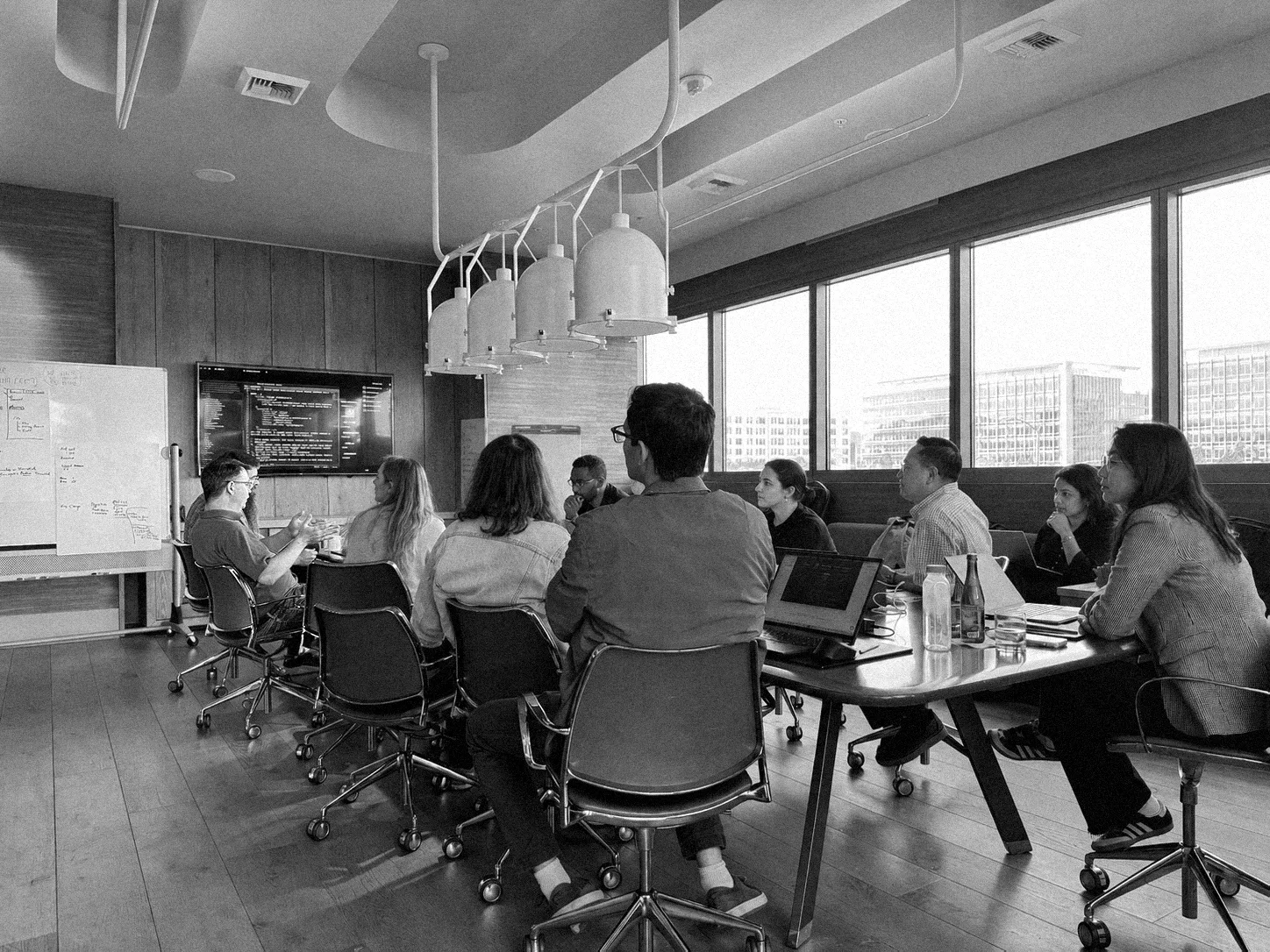
Keynote
20–45 min. Single argument, built for a decision-making audience.
Conference panel
Seat or moderator. Strong with contrarian or technical lineups.
Podcast
Long-form, remote or in-studio. Technical depth welcome.
Fireside chat
Interviewed format for summits and invite-only rooms.
Working session
Lecture or workshop for leadership teams and cohorts.
Media kit
The short version—and a few good photos.
Justin’s current bio and high-resolution headshots, ready for articles, event pages, programs, and introductions.
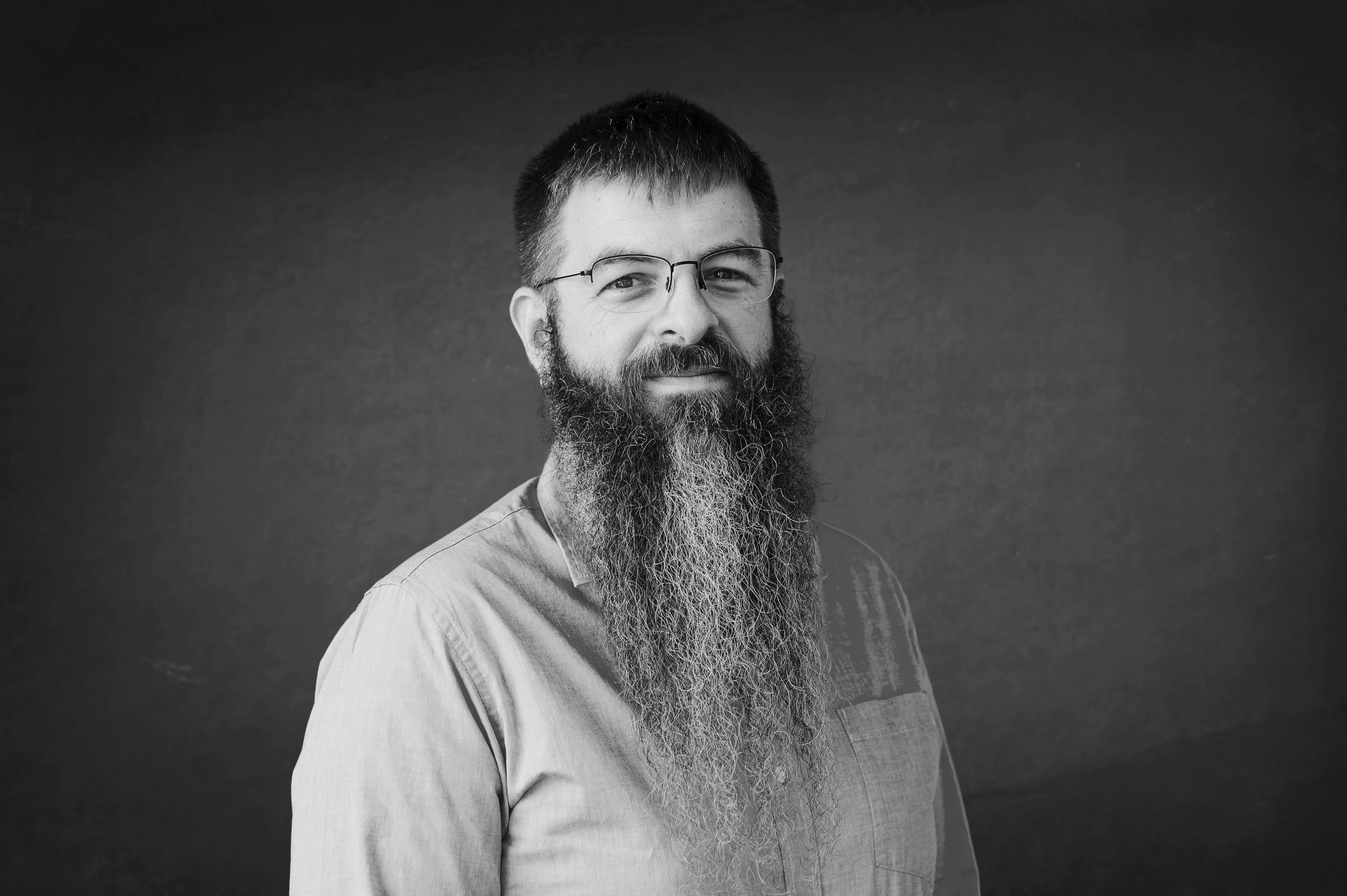
Landscape
6048 × 4024 · High-resolution JPG
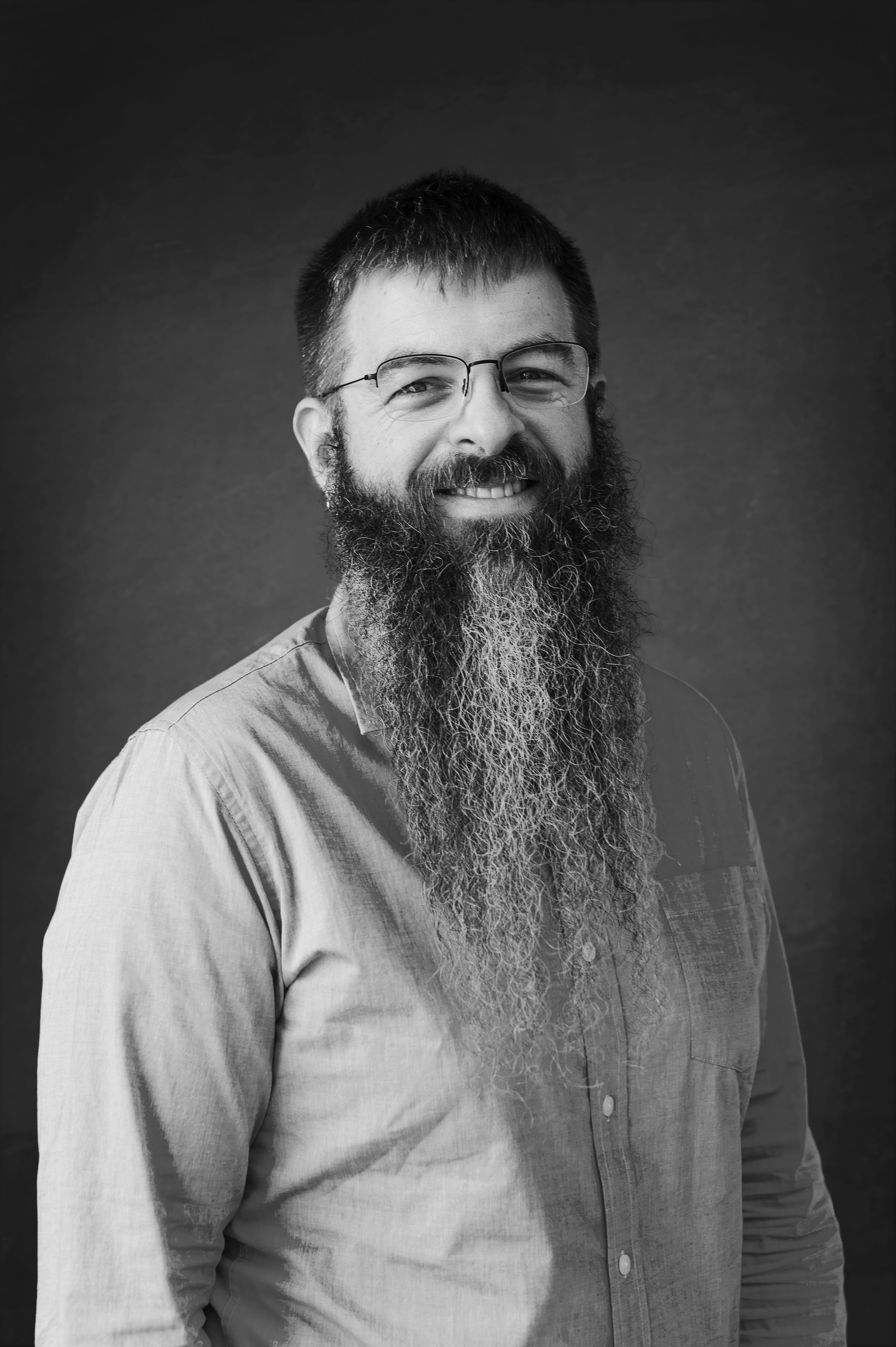
Portrait
3717 × 5586 · High-resolution JPG
Invite Justin to speak.
Fill us in on the event, format, audience, and window. We'll get back to you quickly with a real answer from a real person.
Invite Justin to Speak